- OUR ACCREDITATIONS


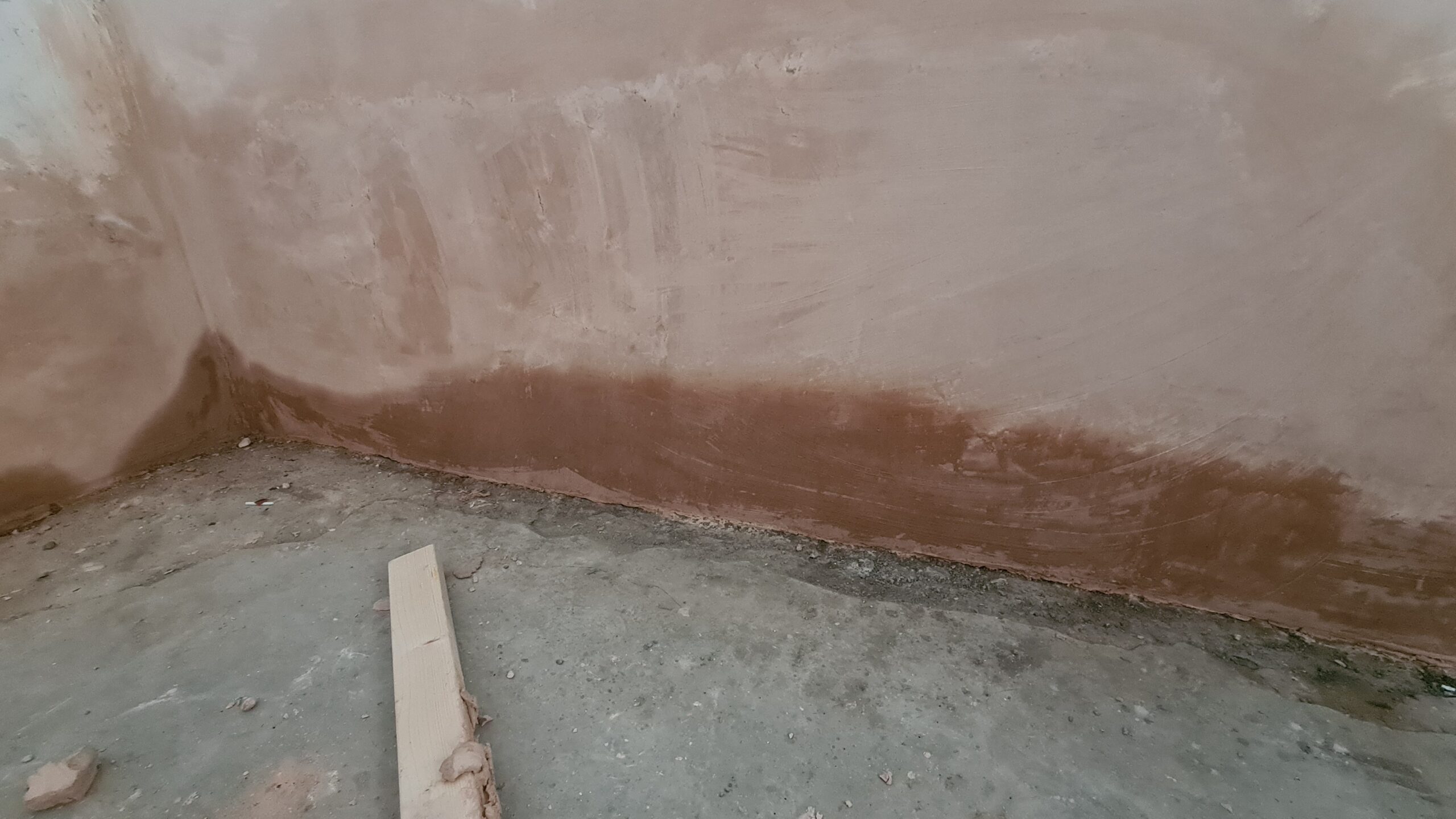


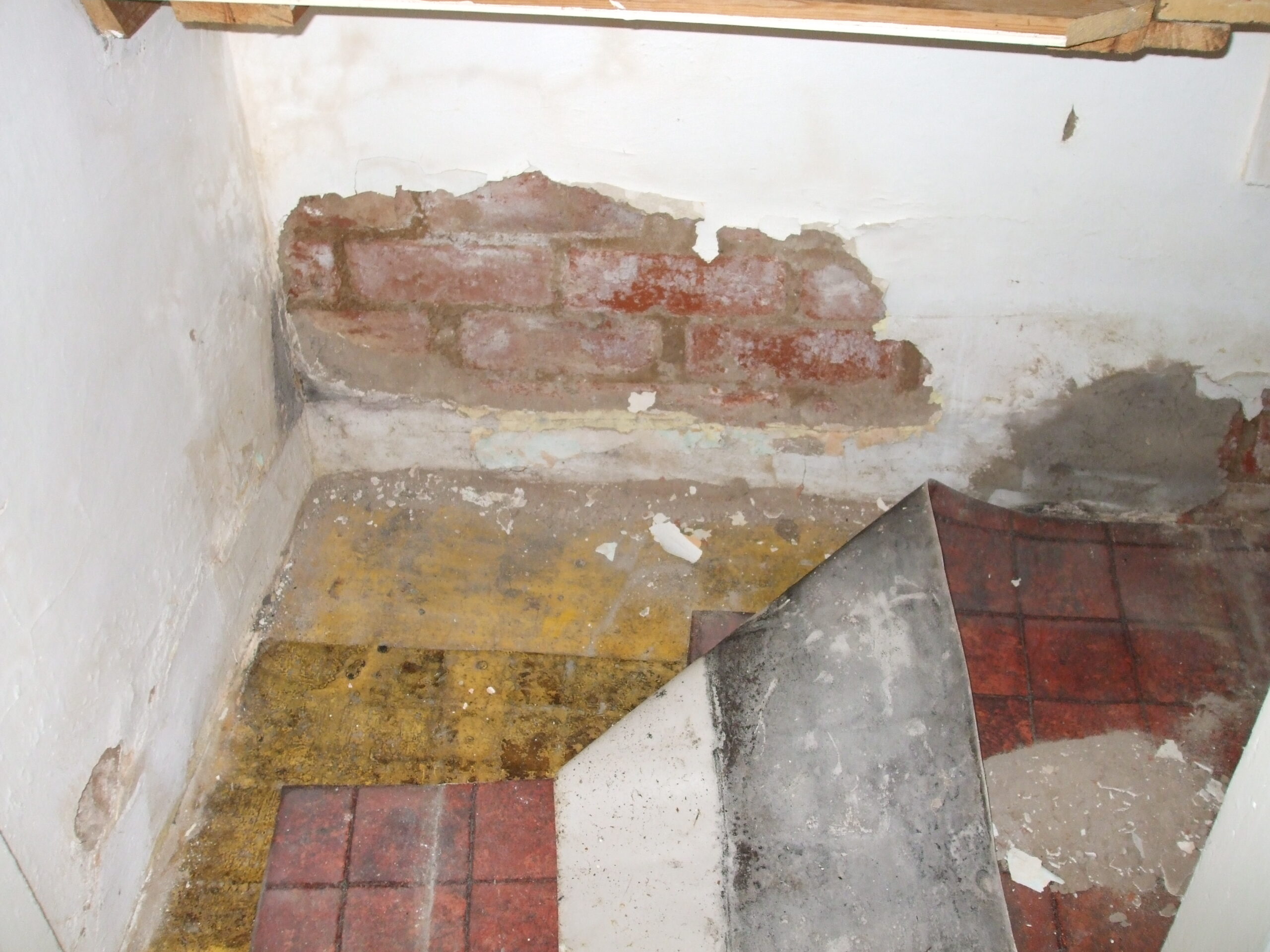

If you think you having rising damp in your property, there is no time to delay. Call the team at British Damp Proofing on 0808 164 8563. We service properties across Lincoln, Horncastle, Skegness and the surrounding areas.
Repairing, Removing and Preventing Rising Damp
At British Damp Proofing, we offer a specialist rising damp treatment, which not only restores your property to its former glory, but prevents any further damage – both for the present and the future.
Our damp-proof injection is a cost-effective treatment to rising damp, which can be depended on to firmly nip this issue in the bud.
Damp-proof injections involve drilling a series of holes into the property’s ground floor brickwork mortar joints. Then, a damp-proof solution is inserted into the holes. Once the chemical is absorbed into the mortar joint, this will now act as your DPC layer, making it impossible for the groundwater to rise through this path into your walls.
Rising Damp Treatments
At British Damp Proofing, we have helped property owners across Lincoln, Horncastle, Skegness and the surrounding areas, restore and protect their properties with damp surveys.
All of our chemically injected damp proof courses come with a 20-year guarantee – meaning you can rest easy, knowing that your property is protected from the risk of damp for many years to come.
If you have a damp problem, send our team a message with our contact form, or give us a call on 0808 164 8563.
What is Rising Damp?
Rising damp occurs when groundwater is being drawn up from the ground, to sit within the building’s porous walls.
The majority of modern properties will feature damp-proof barriers, to prevent the damp from rising into the walls. However, if your property does not have these barriers installed, or if they have failed over the years, then rising damp can quickly occur.
Other common causes of rising damp are property extensions or conservatories which, if made hastily or cheaply, may not include a Damp Proof Course (DPC).
Alternatively, if you have installed a new driveway or raised flower bed into your property’s outdoor areas, then, this raised ground level could provide an alternative path for groundwater to take, which allows the water to reach your property walls by bypassing the DPC.
How to spot Rising Damp
There are 5 main signs of rising damp, which you should keep a close watch for in your property. These are:
1. An unpleasant, musty, damp smell
2. Damp patches and stains, or long tidemarks being visible on your walls
3. Decaying or rotting wood (particularly on your skirting boards and floorboards)
4. Flaking wall plaster
5. Salt deposits on walls
To learn more about our specialist rising damp treatment services, contact our team and we’d be more than happy to outline a treatment plan for your property.
Rising Damp FAQs
Who We Work With
We have established an industry reputation for quality, professionalism and reliability. We are the go to Damp Proofing Contractors for some of the largest names in the UK in sectors including Construction, Local Councils, Healthcare and Housing Associations. Here are a selection of our clients below;